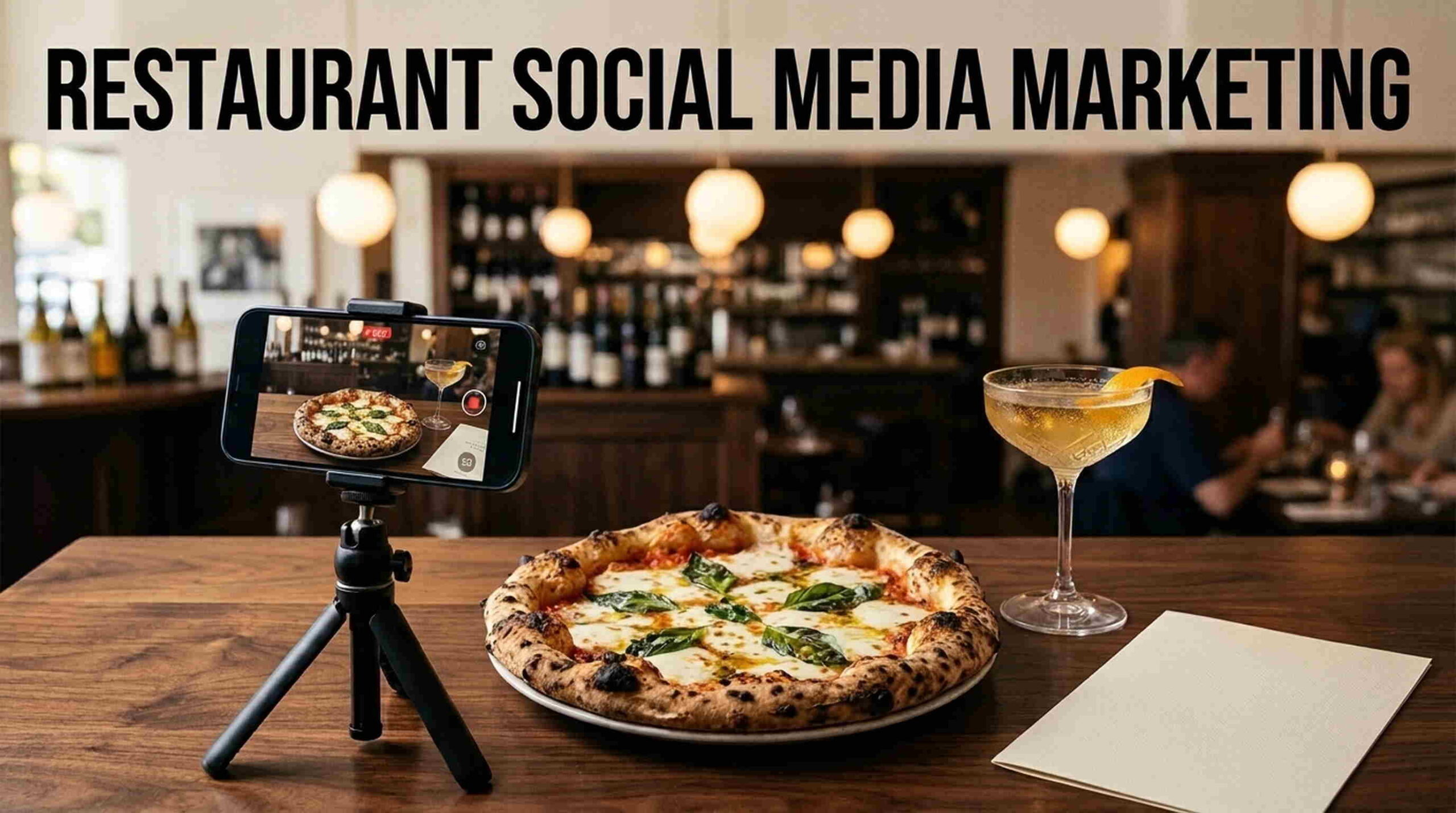
Executive Summary
Modern diners decide where to eat by scrolling mobile video feeds. They look at mouthwatering dish presentations. They evaluate dining room ambiance. They check customer reviews before booking a table. Traditional print mailers and paper menus cannot compete with vibrant digital content.
Mastering social media marketing for restaurants fills dining rooms consistently. High-impact food videos, localized ad campaigns, and community engagement turn casual scrollers into loyal regulars. This complete guide provides actionable strategies, technical tools, and structured plans to grow your hospitality business.
The Visual Dining Revolution: Eating with Our Eyes First
People have always eaten with their eyes first. In past decades, restaurants relied on attractive storefronts, printed menus, and local food critics. Word of mouth traveled slowly between friends and neighbors.
Today, word of mouth travels at lightning speed through smartphone screens. Platforms like Instagram, TikTok, and YouTube have become modern culinary directories. A five-second video of melted cheese or a sizzling skillet can trigger instant cravings.
Executing deliberate restaurant social media marketing establishes continuous local visibility. Diners want to experience your hospitality before stepping through the front door. They want to see the chef plating fresh pasta. They want to hear ice clinking in cocktail shakers.
Competition across the food and beverage landscape has never been fiercer. Rising food costs and labor expenses mean empty tables hurt profit margins severely. Restaurants that command strong social media followings maintain steady reservations throughout the entire week.
Whether you run an upscale downtown bistro, a neighborhood cafe, or a fleet of food trucks, social media is your digital menu. Engaging your local community online transforms first-time guests into passionate brand advocates.
Modern guests expect visual proof before committing their dining budget. They want to see the dining room lighting. They want to browse cocktail presentations. A vibrant social feed provides that reassurance immediately.
The Four Core Pillars of Restaurant Social Content
Posting random photos of food dishes rarely creates consistent business results. Successful hospitality marketing rests on four balanced content pillars working together.
Balancing these pillars keeps your feed engaging, authentic, and effective. If you only post promotional discounts, your audience tunes out. If you only share memes, guests forget your signature dishes.
1. Sensory Food and Drink Videography
Static photos cannot capture the rich sensory appeal of freshly prepared food. Short vertical videos capture motion, texture, and appetizing details. Highlight cheese pulls, sizzling steaks, steam rising from broth, and cocktail garnishes.
Keep your camera close to the action. Natural window lighting highlights vibrant colors much better than artificial yellow bulbs. Let the natural kitchen audio play in the background to immerse viewers in the dining experience.
Focus on your hero dishes. Every restaurant has two or three items that guests order constantly. Showcase those signature creations repeatedly from creative angles to reinforce your culinary identity.
Film dynamic motion shots. Capture a rich sauce drizzling over a tender steak. Show powdered sugar dusting across warm pastries. Movement triggers visceral appetite responses that static images cannot match.
2. Behind-the-Scenes Culinary Craft
Hospitality is fundamentally a human business. Diners love seeing the passion and effort required to prepare delicious meals. Showing your culinary team in action humanizes your restaurant brand.
Film morning prep routines. Show your pasta maker kneading dough from scratch. Capture your head bartender cutting clear ice blocks for signature cocktails. Highlighting craft and quality ingredients justifies your menu pricing.
Celebrate your kitchen and service staff. Introduce your dishwashers, sous chefs, and servers on your Stories. When guests recognize staff members by name, they feel a personal connection to your dining room.
Highlight your relationships with local farmers and artisans. Film visits to local produce markets or regional cheese makers. Showing local ingredient sourcing reinforces your dedication to fresh, ethical cuisine.
3. User-Generated Content and Guest Reposting
Your guests are already taking photos of their food every evening. Their authentic snapshots provide powerful social proof for your business. Curating and celebrating guest content builds profound customer loyalty.
Create picture-worthy moments inside your dining room. Install a stylish neon sign, an eye-catching accent wall, or unique dishware that encourages photography. Make your social handles and hashtags easily visible on menus and check presenters.
Check your tagged photos and direct messages daily. Ask guests for permission to repost their beautiful dining photos to your official feed. When diners see their content featured, they proudly share the post with their own local followers.
Run simple table incentives. Encourage guests to share a photo of their dessert with your restaurant tag to enter a monthly dining raffle. Authentic guest photos spread your brand across hundreds of local social circles.
4. Hyperlocal Community and Event Buzz
Restaurants are central gathering hubs for neighborhoods. Proving that your establishment cares about the local community deepens long-term resident loyalty.
Collaborate with nearby craft breweries, local bakeries, and regional farmers. Announce live music nights, trivia evenings, holiday tasting menus, and charity fundraisers. Position your dining room as the beating heart of local social life.
Engage actively with other local business accounts. Leave supportive comments on neighborhood shops, fitness studios, and community pages. Local cross-promotion broadens your reach across nearby residents.
Celebrate neighborhood traditions and sports victories. When the local high school or college team wins a championship, post congratulatory messages. Being an active community booster creates deep local affection.
Pro Tip: Optimize Your Instagram Profile for Frictionless Reservations
Never leave your profile bio without actionable dining details. Clearly state your neighborhood, cuisine style, operating hours, and parking tips. Include a direct OpenTable or Resy booking link so hungry visitors can reserve a table within two clicks.
Platform-by-Platform Playbooks for Hospitality Brands
Every social platform serves a specific role in your guest acquisition funnel. Tailoring your messaging to match user expectations maximizes engagement and table bookings.
Instagram: The Premier Visual Menu
Instagram is the central nervous system of food discovery. Diners browse Instagram to inspect dish presentations and atmosphere before deciding to visit.
Prioritize short-form Reels set to trending audio. Keep videos between 7 and 15 seconds long for maximum replay rates. Show a rapid three-clip progression: raw ingredients, chef cooking in a flaming pan, and the final plated masterpiece.
Use daily Instagram Stories to announce lunch specials, 86’d items, and weekend reservations. Pin permanent Highlights for “Menus,” “Drinks,” “Private Events,” and “Press Mentions.”
Add location geotags to every post and Story. When travelers and local residents search your city district on Instagram, your dishes appear at the top of location feeds.
Use Instagram Direct Messages for personalized hospitality. When followers ask about gluten-free options or private party minimums, respond warmly within an hour. Fast service online sets expectations for great service at the table.
TikTok: Unfiltered Kitchen Culture and Viral Reach
TikTok algorithms deliver unmatched organic reach to local audiences. The platform favors authentic personality, relatable humor, and appetizing food reveals.
Share candid kitchen moments and staff interactions. Answer common food questions, such as why you rest meat or how you source seasonal produce. Unfiltered transparency thrives on TikTok.
Participate in trending audio challenges with a culinary twist. Playful content shows prospective diners that your team enjoys working together, creating an inviting atmosphere for visitors.
Demonstrate cooking tips that home cooks can try. Teaching viewers how to make a simple pan sauce or balance a vinaigrette establishes culinary authority while showcasing your kitchen talent.
Facebook: Event Promotion and Local Family Dining
Facebook remains essential for engaging suburban families, older demographics, and corporate event planners. It is the premier platform for organizing private dining bookings and community gatherings.
Create official Facebook Event pages for wine dinners, Mother’s Day brunches, and holiday parties. Event pages allow guests to RSVP and invite friends, expanding organic awareness across local networks.
Run targeted Facebook ads to residents within a three-mile radius. Highlight family bundle meals, catering packages, and weekend entertainment schedules.
Monitor local neighborhood groups. When residents ask for private dining recommendations or anniversary dinner suggestions, join the conversation helpfully without sounding overly aggressive.
Google Business Profile and Yelp Social Synergy
While technically review directories, Google Business Profile and Yelp function as high-intent social search engines. Diners searching “best pasta near me” make immediate dining choices based on photos and recent updates.
Treat your Google Business Profile like an active social feed. Upload fresh, high-resolution food photos every single week. Post weekly dining updates and holiday hours directly to your Google dashboard.
Respond professionally to every customer review. Thank guests for kind words, and address constructive criticism with grace and solutions. Attentive management reassures prospective diners that your hospitality standards are high.
Specialized Hospitality Blueprints: Niches and Concepts
Different dining concepts require distinct marketing playbooks. A mobile food truck operates under completely different operational rules than an artisan bakery or cocktail lounge.
Winning Social Media Marketing for Food Trucks
Mobile food vendors face unique logistical challenges. You change locations frequently, brave unpredictable weather, and manage sudden ingredient sellouts. Executing dynamic social media marketing for food trucks is essential to ensure a crowd is waiting when your service window opens.
Publish your weekly location schedule every Monday morning across Stories and feed posts. Post live location pins on Instagram Stories with exact parking directions, cross streets, and parking tips.
Broadcast real-time service updates. If a signature taco or burger is running low, post an urgent countdown Story. Scarcity and limited operating hours drive immediate foot traffic.
Partner with local craft breweries and office parks that lack permanent food kitchens. Cross-tag host venues so their loyal patrons know you are serving dinner on site.
Elevating Social Media Marketing for Cafes
Cafes are community spaces where people work, study, and meet friends. Implementing successful social media marketing for cafes highlights atmosphere, productivity, and casual dining.
Showcase your morning rush energy. Film steam rising from espresso group heads and baristas pouring delicate tulip latte art. Morning sensory clips inspire commuters to detour to your cafe.
Promote your remote-work amenities. Mention comfortable seating, natural sunlight, fast Wi-Fi speeds, and ample power outlets. Attracting digital workers fills mid-morning and afternoon tables during slow periods.
Highlight seasonal beverage specials. Feature spiced pumpkin lattes in autumn or sparkling cold brews in summer. Seasonal menu rotations encourage regular guests to try higher-margin specialty drinks.
Crafting Social Media Marketing for Bakeries
Baking is an intensely tactile, visual craft. Running targeted social media marketing for bakeries turns early morning baking magic into continuous counter lines.
Focus on satisfying audio video content. Record crisp crusts crackling as loaves leave stone ovens. Capture butter laminating between layers of flaky croissants. Sensory sound clips perform extraordinarily well across Reels and TikTok.
Showcase custom cake decorating time-lapses. Watching plain sponge cakes transform into floral birthday masterpieces captivates viewers and drives lucrative custom catering orders.
Post morning freshness updates at 6:30 AM. Announce when warm cinnamon rolls and sourdough loaves come out of the oven to catch breakfast shoppers on their commute.
Dynamic Social Media Marketing for Bars
Nightlife establishments sell ambiance, music, and social connection. Executing high-energy social media marketing for bars builds anticipation for evening and weekend revelry.
Spotlight master mixology techniques. Film bartenders shaking craft cocktails, lighting rosemary sprigs, and carving artisanal ice blocks. Aesthetic drink presentations entice followers to plan their next night out at your lounge.
Promote happy hour specials and live DJ schedules. Post vibrant Story updates around 3:30 PM on Thursdays and Fridays when workers begin planning after-work drinks.
Highlight non-alcoholic craft mocktails. The mindful drinking movement is booming, and featuring sophisticated alcohol-free drinks welcomes designated drivers and non-drinking patrons.
Specialty Social Media Marketing for Coffee Shops
Coffee lovers are passionate about craftsmanship, bean origins, and brewing science. Conducting dedicated social media marketing for coffee shops builds authority among true coffee aficionados.
Share educational brewing guides. Teach viewers how grind size alters French press versus pour-over extraction. Highlight ethical direct-trade bean partnerships with coffee farmers.
Launch digital loyalty perks. Remind social followers of your mobile ordering app or punch card rewards to encourage repeat daily visits.
Feature retail whole-bean bags and brewing gear. Highlighting at-home brewing supplies creates an additional revenue stream alongside daily beverage sales.
Expanding Social Media Marketing for Food Brands and Food Business
Culinary entrepreneurs selling packaged goods, sauces, and culinary products require multi-channel marketing. Running effective social media marketing for food brands bridges retail store shelves with direct-to-consumer e-commerce.
Similarly, executing targeted social media marketing for food business growth involves sharing home recipe tutorials. Teach home cooks how to use your artisan hot sauce, dry rub, or pasta sauce in simple weeknight dinners.
Celebrate retail milestones. Announce when your bottled goods land on regional grocery store shelves. Tag retail partners and encourage local followers to visit specific stores to buy your products.
Collaborate with home-cooking creators. Send sample gift boxes to food bloggers and home chefs, encouraging them to create original recipe videos using your pantry items.
Influencer Partnerships and Local Foodie Tasting Nights
Partnering with local food creators accelerates brand awareness faster than almost any other marketing channel. A single glowing review from a respected local food creator can fill your dining room for weeks.
Executing successful creator collaborations requires structured hospitality rather than transactional advertising.
Identifying Authentic Local Creators
Avoid creators who purchase fake followers or focus only on national trends. Look for local micro-creators with 5,000 to 40,000 highly engaged followers in your immediate metropolitan area.
Examine their comment sections. Are local residents asking for addresses and tagging dinner dates? That genuine neighborhood engagement is what drives actual table reservations.
Hosting a Curated Tasting Night
Instead of hosting creators individually on busy Friday nights, organize an intimate tasting evening on a quiet Monday or Tuesday. Invite eight to twelve local food creators for an exclusive multi-course dining experience.
Design a visually dramatic menu. Include interactive presentations such as tableside sauce pours, smoking cloches, or flaming desserts. Provide clean lighting and printed cards detailing dish ingredients and social tags.
Encourage honest reactions without forcing mandatory scripts. Creators appreciate genuine hospitality and willingly share candid, enthusiastic video reviews with their audiences.
Crafting an Actionable Restaurant Social Media Marketing Plan
Consistency separates profitable restaurant brands from struggling kitchens. Developing a structured restaurant social media marketing plan eliminates guesswork and organizes your content calendar.
Phase 1: Setting Clear Dining Objectives
Avoid posting aimlessly without clear business targets. Define specific metrics that tie directly to dining room revenue.
Focus on concrete goals: increasing Tuesday night covers by 25%, boosting online catering inquiries, or selling 50 special prix-fixe holiday dinners. Clear targets guide your weekly content themes.
Phase 2: Developing a Weekly Content Rhythm
Establish a predictable weekly content schedule that balances dining promotions with culinary storytelling.
- Monday: Behind-the-scenes prep, team introductions, and weekly operating hours.
- Tuesday: Midweek special highlights, lunch deals, and chef plating videos.
- Wednesday: Beverage features, wine pairings, and signature cocktail tutorials.
- Thursday: Weekend teaser, upcoming dessert reveals, and reservation reminders.
- Friday: High-energy dining room ambiance, sizzling kitchen clips, and happy hour buzz.
- Saturday: Live event coverage, guest reposts, and sold-out specials.
- Sunday: Relaxed brunch reels, recovery drinks, and family meal showcases.
Phase 3: The 30-Day Rollout Blueprint
Execute your marketing strategy systematically over a four-week cycle.
Week one focuses on profile optimization, updating menu links, and shooting ten foundational dish videos. Week two introduces staff features and customer reposting systems. Week three launches localized paid ads. Week four analyzes reservation data and refines top-performing content.
Local Paid Advertising and Geo-Fenced Meta Campaigns
While organic food content builds community trust, hyper-targeted local advertising delivers immediate foot traffic. A modest ad budget of $10 to $20 per day keeps your tables full.
Geo-Fencing Your Immediate Neighborhood
Most casual diners choose restaurants located within a 15-minute drive of their home or workplace. Setting wide ad radiuses wastes money on diners unlikely to travel.
Set a tight three-to-five-mile radius around your restaurant inside Meta Ads Manager. Target adults who have expressed interest in dining out, food festivals, and local culinary culture.
Dayparting Your Ad Schedule
Timing matters enormously in food advertising. Showing a burger ad at 8:00 AM produces minimal clicks. Showing that same sizzling burger ad at 11:15 AM catches workers right as hunger strikes.
Use ad dayparting to display campaigns at peak hunger windows. Run lunch specials from 10:30 AM to 1:00 PM. Display happy hour and dinner promotions from 3:30 PM to 6:30 PM. Targeted timing delivers maximum reservation conversions.
Automated Birthday and Anniversary Campaigns
People celebrate milestone events with dining experiences. Meta allows advertisers to target users whose birthdays or wedding anniversaries occur within the next 30 days.
Run ongoing ads offering celebratory perks: “Celebrating a birthday this month? Dine with us and enjoy a complimentary dessert and champagne toast for your party!” Birthday campaigns generate high average check sizes and large group bookings.
Agency vs. In-House: Evaluating a Restaurant Social Media Marketing Agency
As restaurant operations demand constant attention, owners frequently struggle to maintain consistent social accounts. Deciding whether to hire internal staff or partner with an outside agency is a critical decision.
Partnering with a Restaurant Social Media Marketing Agency
Hiring a specialized restaurant social media marketing agency brings dedicated expertise. Professional agencies handle high-end food styling, cinematic videography, graphic design, caption copy, and ad optimization.
A quality agency relieves your management team of creative burdens, allowing chefs and general managers to focus on culinary execution and guest service. Agency retainers typically range between $1,200 and $3,500 monthly plus ad spend.
Ensure any agency you interview specializes specifically in hospitality. Generic agencies rarely understand food pacing, kitchen line pressures, or how quickly seasonal menu items rotate. Demand to see verified case studies of increased covers and foot traffic.
Training Internal Front-of-House Champions
Alternatively, many restaurants succeed by identifying creative staff members already working on the floor. A tech-savvy server or bartender who loves photography can capture immediate, authentic dining moments.
Provide internal creators with professional mobile tripods, compact LED lights, and clear brand guidelines. Compensate them with extra creative hours off the service floor to edit and schedule posts. Authentic staff-led content often feels more genuine than outside agency productions.
8 Best Tools for Restaurant Social Media Marketing
Equipping your restaurant with the right software stack saves dozens of hours every month. These eight battle-tested tools streamline reservations, menu design, video editing, and guest listening.
1. OpenTable
OpenTable is the industry-leading reservation and guest management platform. It allows diners to book tables directly from social media profiles, Google Search, and partner apps.
Connecting your OpenTable reservation link directly inside your Instagram and Facebook bios eliminates friction. Diners can confirm reservations in seconds, converting social food cravings into confirmed dining checks.
2. Toast POS
Toast is a cloud-based restaurant management and point-of-sale platform built specifically for food service. It seamlessly integrates online ordering, loyalty reward programs, and digital gift cards.
Promote your Toast online ordering and digital loyalty links directly across social campaigns. Rewarding social followers with digital loyalty points drives repeat dining visits.
3. Canva
Canva simplifies graphic design for daily specials, holiday menus, cocktail lists, and promotional event flyers. Its vast template library includes hundreds of hospitality layouts.
Use Canva’s brand kit to lock in your restaurant fonts, primary colors, and logo marks. Kitchen managers can update daily special boards and export social graphics within minutes.
4. CapCut
CapCut is the premier mobile video editor for restaurant reels and TikTok clips. It provides dynamic text captions, royalty-free audio tracks, and smooth speed ramping effects.
Speed ramping creates dramatic food reveals. Slow down clips to highlight a delicate cheese pull, then speed up plating sequences for high-energy entertainment.
5. Sprout Social
Sprout Social delivers enterprise social listening, review monitoring, and team scheduling. Its centralized Smart Inbox consolidates customer direct messages, comments, and reviews into a single feed.
Responding rapidly to table inquiries and private dining requests prevents lost catering revenue during busy weekend service shifts.
6. Later
Later provides visual social media scheduling tailored for aesthetic food photography. Its visual grid planner allows you to organize your Instagram feed layout seamlessly.
Later’s Linkin.bio tool turns your profile link into a clickable digital menu, routing followers directly to private party inquiries, delivery orders, or chef tasting tickets.
7. Buffer
Buffer offers clean, intuitive scheduling for independent restaurants and small culinary teams. Plan posts across Instagram, Facebook, and TikTok from a single calendar view.
Its clean interface and affordable pricing make it ideal for busy restaurant operators who need straightforward social scheduling without complex enterprise overhead.
8. Yelp for Business
Yelp for Business enables hospitality operators to manage listings, update menus, and respond directly to customer reviews. Millions of diners evaluate Yelp ratings before choosing where to eat.
Showcasing professional food photos and maintaining active management responses protects your restaurant reputation and reinforces your social presence.
| Tool | Primary Use Case | Key Benefit | Starting Price | Best For |
|---|---|---|---|---|
| OpenTable | Reservations & Guest Management | Converts social clicks into instant table bookings | $149/mo | Full-Service Dining |
| Toast POS | Restaurant Point of Sale & Orders | Online ordering & digital loyalty rewards integration | Custom / Tiered | All Restaurants |
| Canva | Menu & Special Graphic Design | Pre-built dining templates & fast menu updates | Free / $12.99/mo | Independent Kitchens |
| CapCut | Food Video & Reel Editing | Dynamic speed ramping & viral culinary audio sync | Free / $7.99/mo | Hospitality Creators |
| Sprout Social | Social Listening & Review Care | Centralized Smart Inbox for multi-platform inquiries | $199/mo | Multi-Unit Groups |
| Later | Visual Grid & Linkin.bio | Aesthetic feed curation & digital menu routing | $25/mo | Aesthetic Cafes & Bars |
| Buffer | Multi-Channel Scheduling | Simple social calendar planning & auto-posting | Free / $6/mo/channel | Busy General Managers |
| Yelp for Business | Reputation & Local Discovery | Review monitoring & local dining search optimization | Free / Pay-per-click | Neighborhood Diners |
Common Restaurant Social Media Pitfalls to Avoid
Many restaurant operators spend hours taking photos without seeing more guests arrive at their door. Avoiding these common mistakes protects your culinary reputation and saves valuable time.
1. Dim, Flash-Heavy Food Photography
Shooting food under harsh yellow halogen bulbs or using direct smartphone camera flash creates unappealing food photos. Unflattering shadows make delicious meals look greasy and unappetizing.
Always photograph food in soft, natural daylight near dining room windows. If shooting dinner service at night, use a portable soft LED light panel bounced off a white surface to illuminate dishes gently.
2. The Outdated Profile Bio
Few things frustrate hungry diners more than discovering an outdated menu or incorrect operating hours online. If a guest arrives expecting dinner on a night you are closed, you lose that customer forever.
Keep your Instagram and Facebook bios up to date. Verify your current hours, address, phone number, and parking information across every social profile and search listing.
3. Ignoring Direct Messages and Reviews
Hungry guests frequently reach out via direct messages with dietary inquiries or private dining questions. Leaving these messages unanswered for days sends customers straight to your competitors.
Check your message inboxes twice daily before lunch and dinner shifts. Providing quick, hospitable answers secures table bookings and reinforces exceptional hospitality.
4. Missing Calls to Action
Never share an exquisite dish photo without telling the viewer what action to take next. Do not leave diners wondering how to experience the meal.
Always include a clear next step in your captions. Invite followers to reserve a table via the link in your bio, mention that seating is first-come-first-served, or encourage them to tag a friend who loves fresh pasta.
5. Neglecting Kitchen Video Lighting and Audio
Kitchen line videos often suffer from deafening ventilation fan noise and muddy lighting. While raw kitchen energy is great, poor audio drives viewers away rapidly.
Invest in a small clip-on wireless microphone to record crisp chef voiceovers. Clean speech over sizzling background cooking sound creates an enjoyable, high-retention video.
Your 30-Day Restaurant Social Media Action Plan
Building a vibrant dining presence requires sustainable habits rather than sporadic efforts. Follow this four-week framework to establish consistent local momentum.
Week 1: Visual Audit and Foundational Setup
Audit your social profiles. Update your bio with current operating hours, location details, and a direct reservation link. Clean up old, unappealing photo posts.
Equip your team with a compact smartphone tripod and a clip-on light. Film ten high-resolution clips of your top five signature dishes during morning prep.
Week 2: Video Routines and Staff Spotlights
Publish your first three short-form Reels highlighting cooking action, pan sizzles, and sauce drizzles. Add upbeat trending audio and concise text captions.
Introduce your head chef or master mixologist in a 30-second conversational video. Ask them to share the inspiration behind your most popular menu item.
Week 3: Guest Collaboration and Local Paid Ads
Launch an in-house photo campaign. Add a small menu note inviting guests to tag your restaurant for a chance to win a monthly dinner voucher.
Launch your first local Meta advertising campaign. Set a four-mile radius around your dining room and promote your weekend brunch or weeknight happy hour specials.
Week 4: Review Care and Community Partnerships
Respond to all reviews on Google and Yelp. Repost five beautiful customer photos to your Instagram Stories with genuine expressions of gratitude.
Reach out to two complementary local businesses, such as a neighboring brewery or boutique hotel. Plan a collaborative cross-promotional event or joint social giveaway.
Daily 15-Minute Shift Manager Social Checklist
- Post 2 to 3 Daily Stories: Share fresh morning prep clips, daily lunch specials, and evening ambiance updates.
- Clear All Direct Messages: Answer reservation questions, dietary inquiries, and private event requests within one hour.
- Engage with Tagged Photos: Like, comment, and repost guest dining photos to your official restaurant Stories.
- Audit Menu Links: Confirm that your OpenTable booking widget and Toast online ordering links are functioning properly.
- Leave 5 Local Comments: Comment supportively on five local neighborhood business posts to maintain local community visibility.
Frequently Asked Questions
Which social media platform is best for restaurants?
Instagram and TikTok deliver the strongest return for restaurants. Instagram functions as a visual digital menu where diners check atmosphere, dish plating, and reservation links. TikTok offers viral local reach, introducing your food to thousands of nearby residents quickly.
How often should a restaurant post on social media?
Restaurants should post 3 to 4 times per week on their main feed, accompanied by 3 to 5 daily Instagram Stories. Stories keep your restaurant top of mind for lunch and dinner choices without cluttering your permanent visual feed.
How much should restaurants spend on social media advertising?
Independent restaurants should budget between $300 and $1,000 per month for targeted local social media ads. Allocate funds toward tight geo-fenced campaigns promoting midweek dining specials, weekend brunch, and automated birthday perks.
What makes food videos go viral on Instagram and TikTok?
High-contrast sensory movement makes food videos go viral. Sizzling pans, rich cheese pulls, pouring sauces, and steam rising capture immediate attention within the first two seconds. Pairing appetizing food visuals with trending audio hooks keeps viewers watching on repeat.
How should restaurants respond to negative online reviews?
Always respond with polite professionalism, empathy, and speed. Thank the guest for their feedback, apologize for falling short of your usual standards, and invite them to connect privately via email or phone to make things right. Professional responses demonstrate to other observing diners that you genuinely value guest hospitality.
Should restaurants partner with local food influencers?
Yes, partnering with local food influencers is highly effective when executed carefully. Focus on micro-influencers with engaged local followings rather than accounts with inflated follower counts. Host them for a complimentary tasting menu in exchange for honest video reviews and social tags.
Can social media help food trucks navigate changing locations?
Social media is indispensable for food trucks. Posting your weekly route schedule every Monday and sharing live location pins on Stories ensures hungry patrons know exactly where to find you. Scarcity updates and countdown posts create eager lunch queues.
How can restaurants measure social media return on investment?
Track reservation confirmations generated through profile booking links, redemptions of exclusive social promo codes, and attendance at promoted events. Monitoring point-of-sale data during specific promotional campaigns reveals exact revenue generated from your social efforts.
How can restaurants promote slow Tuesday and Wednesday nights on social media?
Create dedicated midweek themes such as “Pasta & Wine Tuesdays” or “Chef Tasting Wednesdays.” Launch targeted local ads on Monday afternoons promoting limited-time midweek menu bundles. Offering a complimentary appetizer or half-priced bottle of wine fills seats during traditionally quiet shifts.
Should restaurants run giveaways or free dinner contests on Instagram?
Occasional giveaways work well when structured to attract genuine local diners. Ask participants to tag a friend they want to dine with and follow your page. Avoid generic gift cards, and instead give away a specific curated four-course tasting dinner to attract food lovers rather than professional prize hunters.
Final Thoughts: Filling Tables and Building Lifelong Food Loyalty
Great food and attentive hospitality remain the foundation of any successful restaurant. However, even the most exceptional culinary creations cannot sustain a business if tables sit empty. Social media marketing bridges the gap between your kitchen and your community.
Focus on capturing the authentic energy, aroma, and passion that makes your dining room special. Celebrate your kitchen artisans, cherish your guests, and make reserving a table effortless. When you treat your digital presence as an extension of your dining room hospitality, your restaurant will thrive with loyal regulars for years to come.
Start today by updating your bio links, recording a sizzling 10-second clip of your favorite signature dish, and welcoming your neighborhood to your digital dining table.