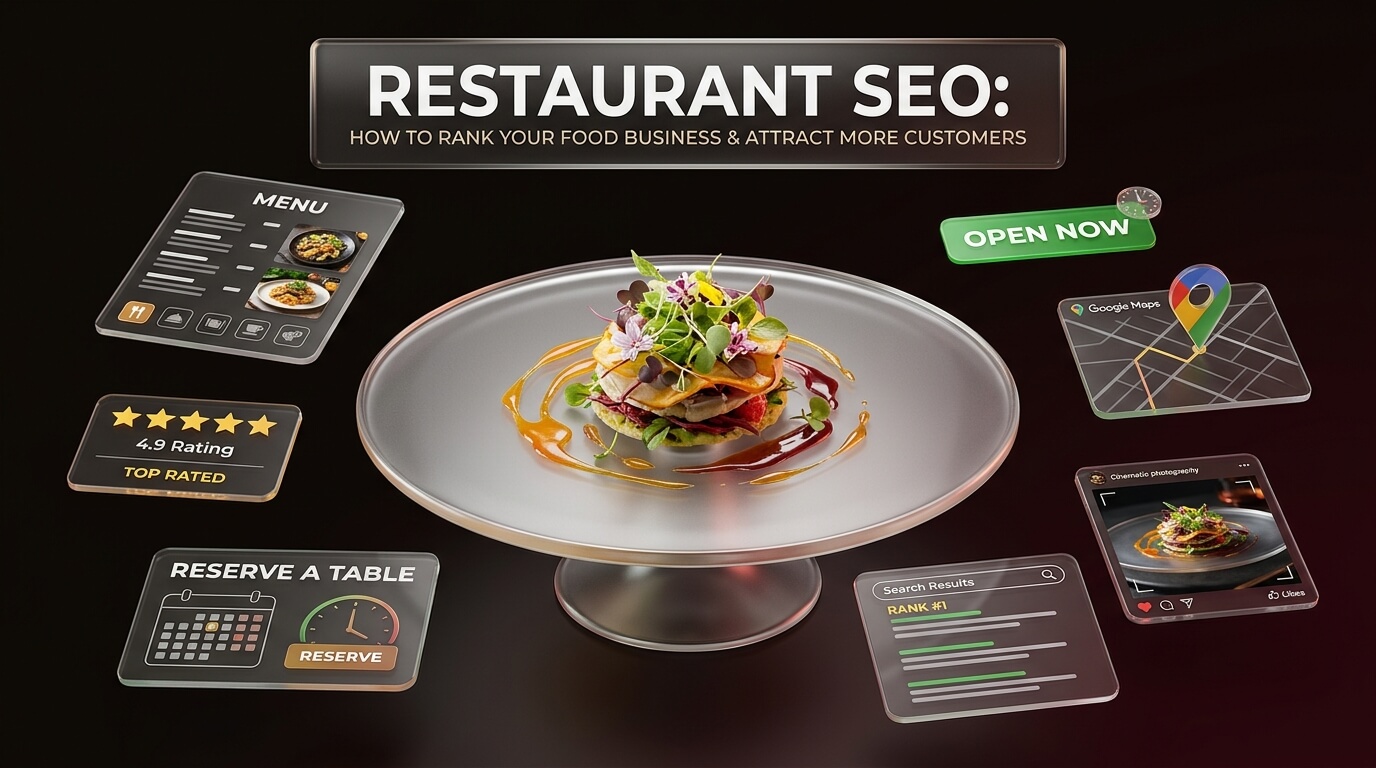
Introduction: Winning Diners and Guests with Restaurant SEO
Running a successful restaurant or hospitality brand requires more than delicious food and friendly service. Today, hungry guests find their next dining spot using search engines. When people crave sushi, tacos, or brunch, they reach for their smartphones and search for dining options nearby.
This reality makes restaurant seo one of the most profitable investments for any food business. Whether you manage a neighborhood cafe, an upscale cocktail bar, or a boutique resort, strong search visibility fills seats and drives online orders. Implementing proven seo for restaurants ensures your business appears whenever local customers are ready to eat.
Modern diners want fast, dependable information. They look for menus, prices, open hours, and customer reviews. If your website is hard to find or your menu is buried in an unreadable file, customers will visit your competitors instead.
Hospitality extends far beyond dining rooms. Travelers search daily for weekend lodging, wedding venues, and craft drinks. Applying smart seo for hospitality and seo for hotels helps lodging brands secure direct guest bookings without paying high travel agency commissions.
This comprehensive guide delivers a practical, step-by-step restaurant seo strategy. We cover Google Business optimization, HTML menu indexing, review generation, and local citations. Follow these proven methods to rank your food business and attract steady crowds every week.
Key Takeaways: Restaurant & Hospitality SEO Essentials
- Local Search Drives Foot Traffic: Over eighty percent of diners search online before selecting a restaurant, cafe, or bar.
- Google Business Profile Is Critical: A verified, complete profile with updated menus and photos drives top local map pack rankings.
- Crawlable Menus Win Orders: Publishing clean HTML text menus allows search engines to index dishes, dietary options, and prices.
- Reviews Boost Search Prominence: Frequent, positive customer reviews mentioning signature dishes strengthen local search authority.
- Direct Bookings Save Margins: Effective hotel seo enables lodging brands to bypass costly third-party booking commissions.
The Anatomy of Local Restaurant SEO: How Search Engines Rank Dining Spots
Understanding how search engines evaluate food businesses helps you prioritize marketing tasks. Google uses three primary criteria to rank local businesses: relevance, distance, and prominence. Mastering these three pillars forms the foundation of local restaurant seo.
Relevance measures how well your business profile matches what the user wants. If a user searches for gluten-free pizza, Google searches for businesses that explicitly mention gluten-free crusts on their menus. Clearly listing all your dishes, drink specialties, and dietary options helps search engines understand your exact offerings.
Distance measures physical proximity from the searcher to your location. When a user searches for lunch near me, Google prioritizes nearby options. While you cannot change your physical address, optimizing location keywords helps you capture diners across surrounding neighborhoods.
Prominence reflects how well-known and trusted your business is online. Search engines measure prominence through customer reviews, media mentions, directory listings, and quality website backlinks. Businesses with hundreds of positive reviews and strong local links consistently outrank quiet competitors.
Voice search has become a major driver of dining traffic. Busy drivers and pedestrians often ask digital assistants to find food options open right now. Voice search engines look for clear operating hours, accurate phone numbers, and concise location descriptions to answer immediate voice questions.
In addition, search engines evaluate diner intent. Some searchers want a table reservation for dinner, while others seek rapid takeout. Structuring your website to address both dine-in guests and delivery customers maximizes your total search reach.
Optimizing Your Google Business Profile: Your Digital Front Door
Your Google Business Profile is the most valuable digital asset for your food business. It powers your presence on Google Maps and controls the local 3-pack search box. An optimized profile delivers immediate phone calls, driving directions, and table reservations.
Start by selecting the most accurate primary category. If you operate an artisanal bakery that serves espresso, choose Bakery as your primary category and Coffee Shop as a secondary category. Accurate categorization helps Google match your profile with relevant dining searches.
Next, upload your complete menu directly into Google Business Profile. Enter each dish name, description, and price individually. Describe key ingredients and highlight popular dietary options like vegan, keto, or gluten-free. Search engines read these text items to match search queries for specific cravings.
Add compelling, professional photos on a regular basis. Upload crisp images of your dining room, outdoor patio, signature entrees, craft cocktails, and friendly staff. Businesses with frequent photo updates receive substantially more customer clicks and navigation requests.
Use the Google Business Profile updates feature to share weekly dining promotions. Post announcements about seasonal chef specials, weekend live music, or holiday tasting menus. These regular updates show search crawlers and diners that your establishment is active and vibrant.
Manage the profile question and answer section proactively. Prospective diners frequently ask about parking availability, private dining capacities, dress codes, and pet policies. Posting clear answers to these common questions removes hesitation and encourages immediate visits.
Finally, activate the direct booking and ordering buttons. Connect your profile with approved reservation systems and online ordering providers. Giving searchers a fast one-click path to book a table or order dinner boosts customer conversions.
On-Page SEO for Food Businesses, Cafes, Bars & Delivery Services
Your website serves as the authoritative home for your hospitality brand. Successful seo for food business websites requires clean page structure, fast mobile speeds, and descriptive text. Modern diners visit on mobile phones, so fast-loading pages are essential.
The single biggest mistake restaurants make is uploading menus as PDF files or flat images. Search engine crawlers struggle to read text trapped inside PDF documents. Always publish your full menu as readable HTML text directly on your web pages. This allows Google to index every ingredient, pasta dish, and signature cocktail.
Implement structured Restaurant schema markup across your site code. Schema tells search engines your exact cuisine type, price range, opening hours, accepted payment methods, and menu URL. This rich data helps search engines display attractive snippets directly on search result pages.
Coffee shops and brunch spots benefit greatly from targeted seo for cafes. Build dedicated pages highlighting your specialty coffee beans, seasonal pastries, free Wi-Fi, and remote work seating. These specific details attract neighborhood remote workers and weekend brunch crowds.
Nightlife venues should focus on seo for bars to capture evening crowds. Highlight craft cocktail recipes, local draft beer selections, happy hour specials, and live music schedules. Keeping your event calendar up to date captures searchers looking for weekend entertainment.
For takeout operations, mastering seo for food delivery generates profitable direct orders. Create dedicated landing pages for online ordering that emphasize speed, delivery zones, and takeout specials. Direct online orders protect your margins by eliminating hefty third-party delivery commissions.
Multi-location restaurant groups should create separate landing pages for each branch. Include unique address details, local neighborhood descriptions, staff bios, and customer reviews on each location page. Avoid duplicate boilerplate text across branches to ensure every location page earns independent local search rankings.
Hotel & Hospitality SEO: Driving Direct Room Bookings and Events
Hotels, bed and breakfasts, and resorts face fierce competition from online travel agencies. Third-party booking platforms take substantial commission cuts on every guest reservation. Implementing specialized hotel seo helps lodging properties capture direct bookings and keep full revenue.
Begin by creating distinct pages for every room category and suite. Highlight unique room amenities, luxury bedding, scenic balcony views, and complimentary breakfast. Clear room descriptions help your property match travelers searching for specific lodging styles.
To win with seo for hotels, optimize for long-tail travel queries. Build comprehensive area guides that showcase top local attractions, historic sites, hiking trails, and seasonal festivals. Travelers who research local activities will find your hotel guide and book their stay directly with you.
Create seasonal vacation packages to attract guests during shoulder seasons. Promote romantic weekend escapes, wine country tours, holiday dining retreats, or wellness spa weekends. Dedicated package landing pages capture travelers looking for complete holiday itineraries.
Hospitality venues should also target corporate meetings and wedding inquiries. Build dedicated event pages detailing floor plans, audiovisual equipment, catering menus, and guest capacities. Promoting your private dining rooms captures high-ticket corporate events and holiday parties.
Boutique properties should embrace broader seo for hospitality strategies. Highlight unique guest experiences like on-site cooking classes, spa treatments, or wine tastings. Promoting these curated experiences sets your property apart from generic hotel chains.
Reputation Management: The Power of Reviews and Citations
Customer reviews are the lifeblood of hospitality search rankings. Google values frequent, detailed reviews from real diners. A steady stream of positive feedback signals to search engines that your dining room is thriving and dependable.
Encourage satisfied customers to leave detailed feedback. When diners mention specific dishes like the wood-fired pizza or the signature cocktail, Google associates those keywords with your business. Train your staff to invite happy guests to share their experiences online.
Place discreet review invitation cards on tables or print custom QR codes on guest checks. Making the review process effortless encourages guests to leave feedback while their positive dining experience is fresh in their minds.
Always respond professionally to every customer review, both positive and critical. Thank happy guests for their patronage and address concerns raised by unhappy customers with grace. Thoughtful owner responses show prospective diners that you care deeply about guest hospitality.
Build consistent local citations across leading business directories. Ensure your business name, address, and phone number match perfectly across Google, Yelp, Tripadvisor, and Apple Maps. Inconsistent contact details confuse search crawlers and harm your local search authority.
Pro-Tip: Leverage Local Food Influencers and Press for Authority
Invite local food writers, culinary bloggers, and neighborhood influencers to sample signature dishes. Editorial mentions and reviews in regional lifestyle magazines deliver powerful backlinks that dramatically boost your local search authority.
A Practical 90-Day Restaurant SEO Strategy for Sustainable Growth
Executing an organized restaurant seo strategy produces steady growth in table bookings and takeout volume. Break your marketing efforts into manageable thirty-day milestones to build lasting local authority.
During the first month, focus on technical foundations and profile cleanup. Claim and verify your Google Business Profile, Apple Maps listing, and Yelp business page. Audit your website to ensure all menus are published as clean HTML text rather than unreadable PDFs. Verify that your website loads fast on mobile devices.
During the second month, implement structured data and build local citations. Add Restaurant schema markup to your website code. Submit your verified business information to major local citation directories and regional chamber of commerce listings. Launch an in-house review generation program with custom table cards and digital receipts.
During the third month, expand your content and local partnerships. Publish neighborhood dining guides, event calendars, and chef spotlight articles. Reach out to local food journalists and community organizations for partnership links. Monitor search ranking improvements and adjust your target keywords based on actual customer traffic.
Review your progress each month using Google Search Console and Google Business Profile analytics. Track the search terms that bring diners to your site and measure phone call volume. This data helps you refine your marketing plan and invest in the dishes that generate the highest profits.
Top 8 Platforms & Tools for Restaurant & Hospitality SEO
Managing your digital presence across multiple directories requires dependable tools. Below are eight top platforms that help food businesses and hotels dominate local search results.
1. Google Business Profile
Google Business Profile is the most essential tool for any food or hospitality business. It controls how your restaurant appears on Google Search and Google Maps.
The platform lets owners update operating hours, post menu items, share promotional updates, and respond to customer reviews. It provides valuable performance insights showing how many people found your profile and requested driving directions.
Owners can also add detailed business attributes like outdoor seating, live music, and wheelchair accessibility. These tags help your listing appear when users apply specific filters on Google Maps.
Every restaurant, bar, cafe, and hotel must actively maintain this profile to win local search traffic.
2. Yelp for Business
Yelp remains an influential review platform and search engine for dining and local services across North America. Millions of diners check Yelp ratings before trying a new restaurant.
Yelp for Business allows owners to claim their listing, post menus, upload photo galleries, and communicate with diners. Yelp profile data frequently feeds into Apple Maps search results, making accurate information doubly important.
The platform also offers paid profile upgrades like call-to-action buttons, photo highlights, and competitor ad removal. These tools help busy venues convert casual visitors into confirmed diners.
Claiming your Yelp listing protects your brand reputation and secures high-authority citations for local search.
3. Tripadvisor for Business
Tripadvisor is the world’s largest travel and hospitality platform. It guides millions of travelers looking for hotel rooms, resort stays, and top-rated local dining.
The platform gives hospitality owners tools to monitor guest reviews, analyze competitor performance, and promote seasonal packages. Highly rated properties earn valuable Travelers’ Choice badges that inspire consumer trust.
Hotels and bed and breakfasts can connect direct booking links to their Tripadvisor profiles. This allows travelers to reserve rooms immediately without leaving the trusted platform.
Tripadvisor is essential for hotels, destination restaurants, and attractions seeking out-of-town visitors.
4. OpenTable for Restaurants
OpenTable is a premier reservation management network that connects millions of diners with hospitality venues worldwide. It streamlines front-of-house operations while driving valuable bookings.
In addition to table management, OpenTable operates a massive consumer dining directory. Having an optimized profile on OpenTable drives high-intent diners who are ready to reserve immediately. The platform also integrates directly with Google search reservation buttons.
The software offers rich diner analytics and guest preference tracking. Hosts can note anniversary celebrations, favorite tables, and allergy requirements to deliver memorable service.
OpenTable is a powerful booking driver for full-service dining establishments and upscale lounges.
5. Toast POS Marketing
Toast is a leading restaurant management and point-of-sale platform built specifically for the food service industry. It provides integrated tools for digital ordering and guest marketing.
Toast creates clean, mobile-optimized online ordering menus that search engines can easily index. Its marketing tools help restaurants collect guest email addresses, launch loyalty rewards, and promote takeout specials. Direct online orders through Toast keeps profits inside your business.
The system syncs in real time with your kitchen display screens and inventory tracking. When a dish sells out, the online menu updates automatically to prevent disappointed diners.
Toast is ideal for modern food businesses looking to unify physical point-of-sale hardware with digital search orders.
6. BrightLocal
BrightLocal is a specialized local SEO software platform designed for multi-location businesses and agencies. It simplifies local rank tracking, reputation management, and citation building.
The tool tracks your local map rankings across specific neighborhood zip codes. It identifies citation inconsistencies across hundreds of directories and helps fix inaccurate business listings. BrightLocal also automates review generation campaigns through email and SMS text invitations.
Its local search audit tool generates detailed reports highlighting technical errors and missing directory listings. Managers can share these visual reports with team members to keep marketing tasks organized.
BrightLocal is a top choice for restaurant groups seeking to monitor and improve local map rankings.
7. Whitespark
Whitespark is a respected local search software and service provider known for deep expertise in citation building and Google Maps optimization.
The platform offers a Local Citation Finder that reveals where top-ranking local competitors earn their directory links. Whitespark also provides automated review generation software and Google Business Profile management tools. Its educational resources help owners understand local search algorithms.
Whitespark provides manual citation cleanup services that fix duplicate and outdated listings across niche food portals. Cleaning up old phone numbers and addresses builds trusted authority with search engines.
Whitespark is an excellent resource for hospitality businesses seeking authoritative local citation profiles.
8. Semrush Local
Semrush Local is a comprehensive local marketing toolkit that automates business directory distribution and local performance tracking. It syncs business information across dozens of top platforms with a single click.
The software monitors local search rankings, tracks voice search readiness, and consolidates customer reviews from multiple sources. It alerts managers whenever a new review appears, allowing swift customer responses. Detailed visibility reports highlight ranking progress over time.
The tool also tracks local keyword performance across mobile and desktop devices. Hospitality managers can spot sudden ranking shifts and adjust their local marketing strategy before bookings drop.
Semrush Local is ideal for hospitality owners who want hands-off citation management paired with powerful search intelligence.
Platform Comparison: Restaurant & Hospitality SEO Tools
The table below summarizes the key features, business focus, and pricing models for each leading platform.
Strategic Roadmap: 5-Step Hospitality Search Checklist
Consistent execution drives steady growth in reservations and walk-in diners. Use this five-step checklist to optimize your hospitality business for search engines.
Checklist: Hospitality Search Optimization Plan
- Claim and Perfect Your Profiles: Verify your Google Business Profile, Yelp page, and Apple Maps listings with matching contact information.
- Publish Crawlable HTML Menus: Convert unreadable PDF menus into clean HTML text containing dish names, descriptions, and dietary tags.
- Add Hospitality Schema Markup: Implement Restaurant and Hotel schema markup to help search engines display rich snippets.
- Build a Consistent Review Flow: Encourage happy diners and guests to leave reviews mentioning signature items and helpful staff.
- Promote Local Experiences: Publish neighborhood guides, private event pages, and seasonal menus to capture high-intent travelers.
Frequently Asked Questions About Restaurant & Hospitality SEO
Here are clear answers to common questions food business owners and hotel managers ask about optimizing their search presence.
Why should restaurants avoid using PDF menus on their website?
Search engines struggle to read and index text inside PDF files. In addition, PDF files load slowly on mobile phones and require diners to pinch and zoom. Publishing menus as clean HTML text allows Google to index every dish and creates a great mobile experience.
How long does local restaurant SEO take to produce measurable results?
Most restaurants notice increased profile views and direction requests within thirty to sixty days of optimizing their Google Business Profile. Ranking for competitive citywide terms typically requires three to four months of consistent review generation and local citation building.
Can an independent hotel outrank online travel agencies on Google?
Yes. Independent hotels regularly outrank travel agencies in the Google local map pack. Optimizing your Google Business Profile, publishing local neighborhood guides, and earning authentic guest reviews gives you a strong local advantage over generic booking sites.
How important are keywords inside customer reviews?
Keywords inside customer reviews have a direct impact on search rankings. When guests mention phrases like best brunch, craft cocktails, or ocean view in their reviews, Google matches your business with searchers using those exact phrases.
What is the difference between restaurant SEO and general local SEO?
Restaurant SEO focuses heavily on menu indexing, meal times, cuisine categories, and visual dish photography. General local SEO often prioritizes service area radius and formal technical credentials. Diners make emotional, immediate decisions based on visual appeal and customer ratings.
How do third-party delivery apps affect restaurant search rankings?
Delivery apps often rank well for broad food searches. However, managing your own local SEO allows you to capture direct takeout orders without paying twenty to thirty percent marketplace commissions. Linking direct ordering links on your Google profile protects your profits.
Should a cafe and evening bar sharing the same address have separate profiles?
If the businesses have distinct legal names, separate signage, and different operating hours, they can often maintain separate Google Business Profiles. However, if they share a single brand concept, using secondary categories within one profile is the safest approach.
What schema markup is most critical for dining businesses?
The Restaurant schema type is the most critical structured data markup. It allows you to specify cuisine types, accepted currencies, opening hours, menu web addresses, and price ranges. Search engines read this data to generate rich interactive results.
How often should a restaurant update its menu online?
Update your online menu whenever you adjust prices, introduce seasonal specials, or rotate ingredients. Keeping online menus accurate prevents customer frustration and ensures search engines index your latest seasonal offerings.
How can a seasonal resort or patio bar maintain rankings during the off-season?
Maintain rankings by marking your business as temporarily closed in your Google profile rather than deleting it. Continue publishing blog updates about upcoming seasonal events, private bookings, and renovations to keep search crawlers engaged.
Does social media activity influence restaurant search rankings?
Social media activity influences search rankings indirectly. High engagement on Instagram and TikTok drives brand searches and foot traffic. Popular posts also earn media coverage and food blog backlinks that strengthen your search authority.
What is the most effective way to track revenue from restaurant SEO?
Track revenue by setting up Google Analytics conversion goals for online takeout orders, reservation clicks, and phone calls. Comparing online reservation growth with search traffic increases reveals the direct financial return of your marketing efforts.
How does voice search impact restaurant SEO?
Voice search queries often use conversational phrases and seek immediate open locations. Ensuring that your operating hours, phone numbers, and physical address are completely accurate across all directories ensures digital assistants recommend your dining room.
What are the best practices for multi-location restaurant SEO?
Multi-location brands should build unique landing pages for each branch with individual menus, local photos, staff introductions, and distinct Google Business Profiles. This prevents location cannibalization and ensures each branch dominates its local map pack.
Final Verdict: Building Lasting Foot Traffic and Bookings
The culinary and hospitality industries thrive on exceptional experiences, personal warmth, and unforgettable flavors. Across modern competitive markets, great food alone is not enough to guarantee a full dining room. Businesses that invest in restaurant seo connect with hungry diners at the exact moment they search for their next meal.
By optimizing your Google Business Profile, publishing crawlable HTML menus, and building authentic customer reviews, you create an unstoppable local marketing engine. Start executing these practical hospitality search strategies today to welcome more guests, grow direct bookings, and build a flourishing food brand.